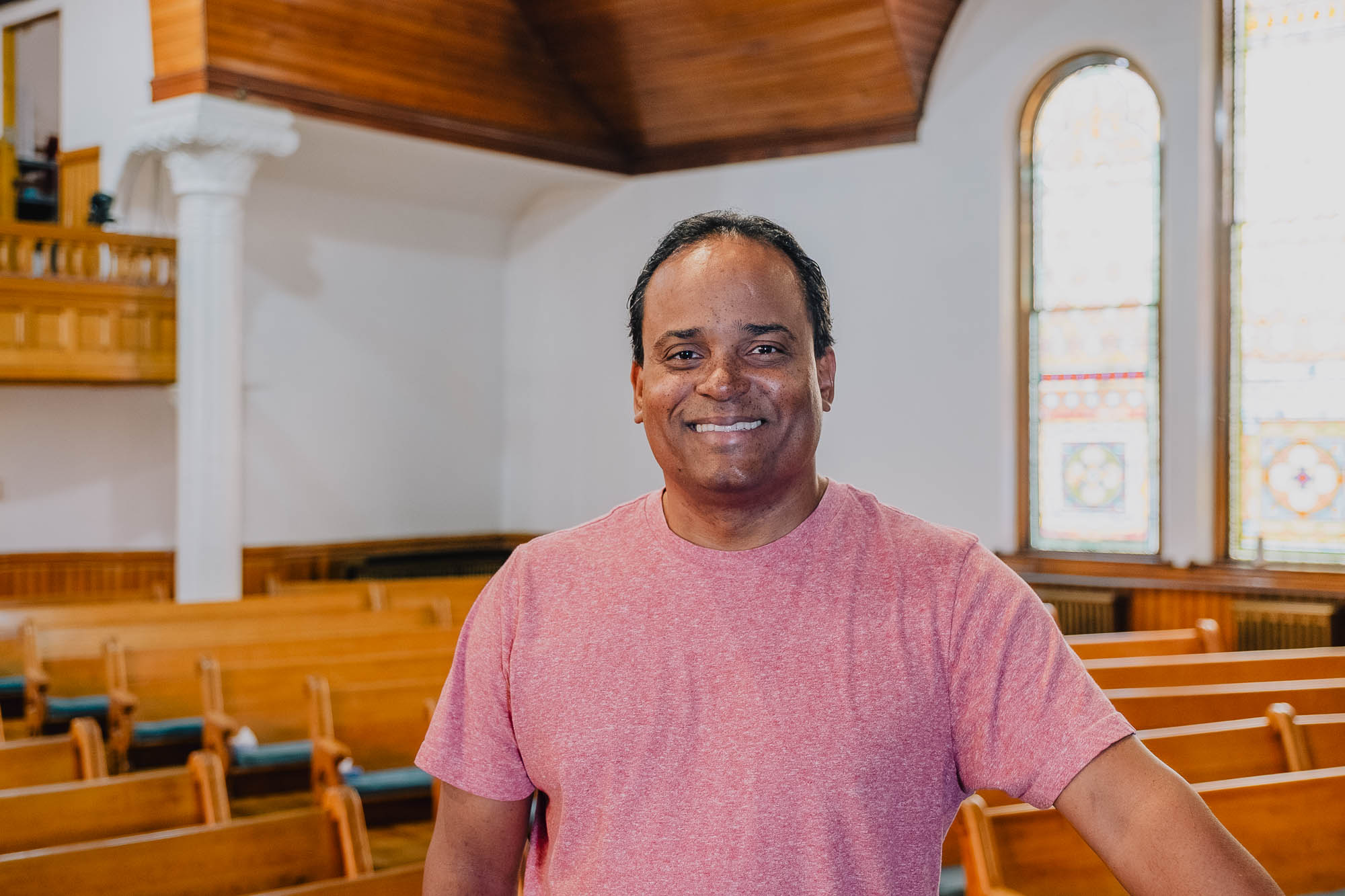

Our church planter for Dorchester, Christian Michael, shares a recent experience from his ministry. We pray it encourages you!
Dorchester has a long history of church culture and influence, but it hasn’t always been steady or unified. The gospel isn’t central for many people living in this former Puritan neighborhood, which was once its own city and was founded in 1630.
I saw this firsthand one summer when I led a group of college students to talk with residents, listen to their stories, and gather thoughts about faith and church. Most people said their biggest concern was the well-being of young people. They wanted programs to help at-risk youth stay out of trouble, avoid drugs, and keep away from gangs. When we asked about the church, people often replied, "Does it have a program for kids?" There didn’t seem to be much interest in deeper gospel change.
Of course, this doesn’t describe everyone. There are people who go to church regularly and are growing in their faith. Still, it shows that many in the community are distracted or even apathetic about Christianity. It feels like the gospel has faded for some who have lived here all their lives. While parachurch groups, nonprofits, and civic organizations have stepped up to help, the spiritual decline is clear.
Even so, there are reasons to be hopeful. My ministry right now is about learning from people in the community—believers, non-believers, churches, and local organizations. I spend time prayer walking in one of the toughest blocks in this beautiful, historic, and vibrant neighborhood. It’s there that I see the most potential to reach those who are often overlooked.
One hot afternoon, I started prayer walking on a street known for its gang violence and drug trafficking. Right away, I saw two men outside a liquor store. My plan was to show respect, keep moving, and then come back to talk after praying. But one of them stopped me.
A man named Stevie (name changed for privacy) called out to me and asked, "Haven’t I seen you before?" He sounded curious, not suspicious. I replied, "Maybe. I’m a pastor, and I’m out here praying for the neighborhood." Stevie smiled and said, "I knew I seen you before!" and gave me a dap. He and his friend told me how much the neighborhood needs prayer. Then Stevie looked at me and said, "Man, keep doing it, for real." That moment touched me deeply. Their openness to prayer, especially after a recent fatal shooting in the area, really moved me and encouraged my spirit.
Wanting to make the most of the moment, I asked if I could pray for them. Stevie and his friend said, "Do your thing, bro’." As I started to pray, I heard some noise in a nearby alley, but then Stevie put his hand on my shoulder and bowed his head. I was surprised and a little cautious about my surroundings, so I kept my prayer short. I asked that the gospel of Christ would be known and believed, to encourage believers and save those who don’t, and for Stevie and his friend’s protection. I also kept one eye open.
This shows that some people know about prayer and may truly believe in its power. I haven’t seen Stevie again, but I did talk with his friend later. I still pray for both of them. This experience encouraged me, even if it seems small. It’s a big step for urban ministry and inspires me to keep working toward church planting in a community where most churches are now destination churches. Many members and leaders no longer live here, and you rarely see them walking and praying in the neighborhood, even though people like Stevie are open to prayer. This comes straight from what faith community members have shared.
The most powerful part of this story isn’t about what I’m doing. It’s about what the Lord has already set in motion through others who taught Stevie about prayer. I’m simply joining in and hoping to build on the work that’s already been done.
A neighborhood like Dorchester has its strengths. Many people here, especially those struggling with addiction or other challenges, are open about their needs. They don’t hide what they’re going through. No whitewashed tombs, either. I don’t mean this disrespectfully—it actually gives us a clear chance to understand their struggles and share the gospel in a real way.
It’s taken a while to get here, but there’s already so much opportunity, and I believe the Lord is preparing people to serve. I’m thankful to be part of gospel ministry in this community.