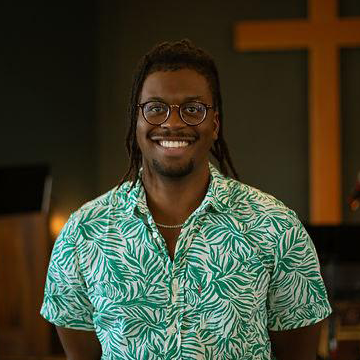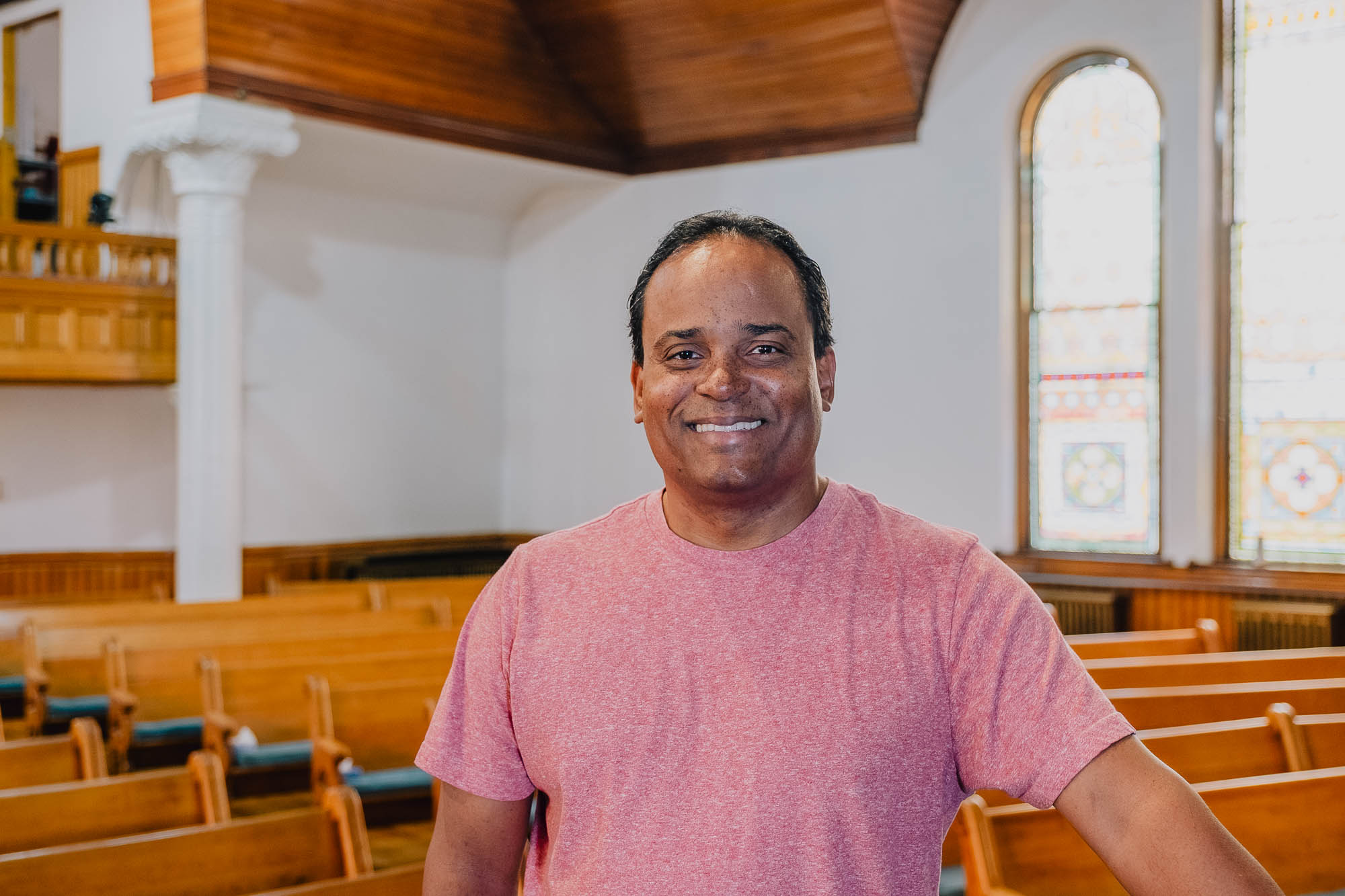
A recent sermon from Dexley Dorcely, one of NEU's team of pastors and church planters, at Faith Community Church:
In the 1930s, the RMS Queen Mary was one of the greatest ocean liners ever built — a marvel of engineering designed to cross oceans with strength and speed. She carried thousands across the Atlantic and symbolized movement, connection, and purpose.
But when air travel replaced ocean liners, the Queen Mary was retired and anchored permanently to a dock, eventually turned into a hotel. Still impressive. Still admired. But no longer moving.
What was built for glorious movement now stands still.
It’s a sobering picture for the Church.
Why do we exist? To help people? Teach the Bible? Build community? Influence culture? All good things. But without a clear biblical mission, any church can slowly drift — busy, perhaps admired — yet spiritually stationary.
Jesus never left us guessing about our purpose. In Matthew 28:18–20, the risen Christ gives His disciples a claim to believe, a command to obey, and a promise to hold: “All authority in heaven and on earth has been given to me.”
That’s the claim. Jesus doesn’t share authority; He possesses all of it. There is no higher court, no greater jurisdiction. Every neighborhood, every nation, every life sits under His rule.
And because He has all authority, He gives a clear command: “Go therefore and make disciples…”
The mission of the Church is not maintenance. It is movement. We go. We baptize. We teach. We help people follow Jesus and learn to obey Him. We keep doing that — in our neighborhoods and among the nations — until He returns.
And then comes the promise: “And behold, I am with you always, to the end of the age.”
We are not clocking in to a religious assignment. We are family, invited into the family business — and Jesus Himself goes with us.
So what does that mission look like on our streets?
When Jesus began His public ministry, He read from Isaiah 61 and declared good news to the poor, freedom to captives, sight to the blind, and liberty to the oppressed (Luke 4:18–19).
Poverty, at its core, is more than financial lack. It is a broken relationship with God, self, others, and creation. And Jesus stepped into that poverty. He took our sin. He rose in power. He began restoring what was shattered.
Now He sends His Church into that same restorative work. And there may not be a more fitting place for that mission than Elmwood and the West End.
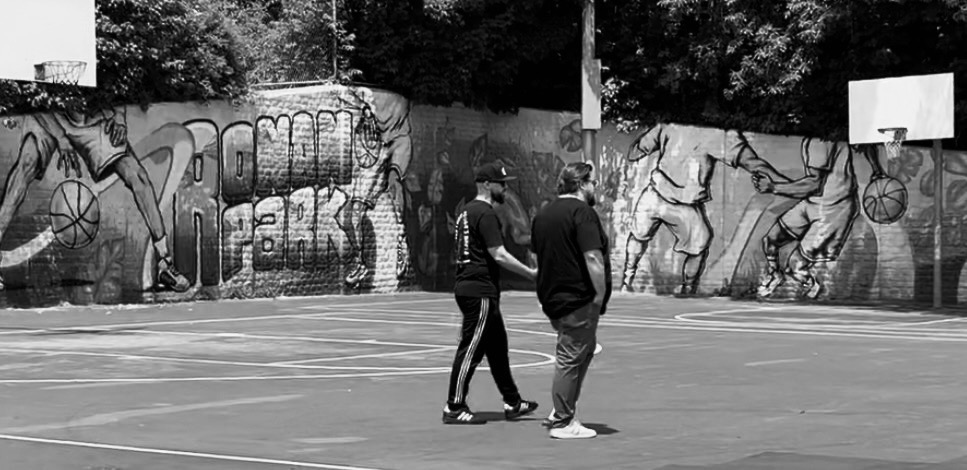
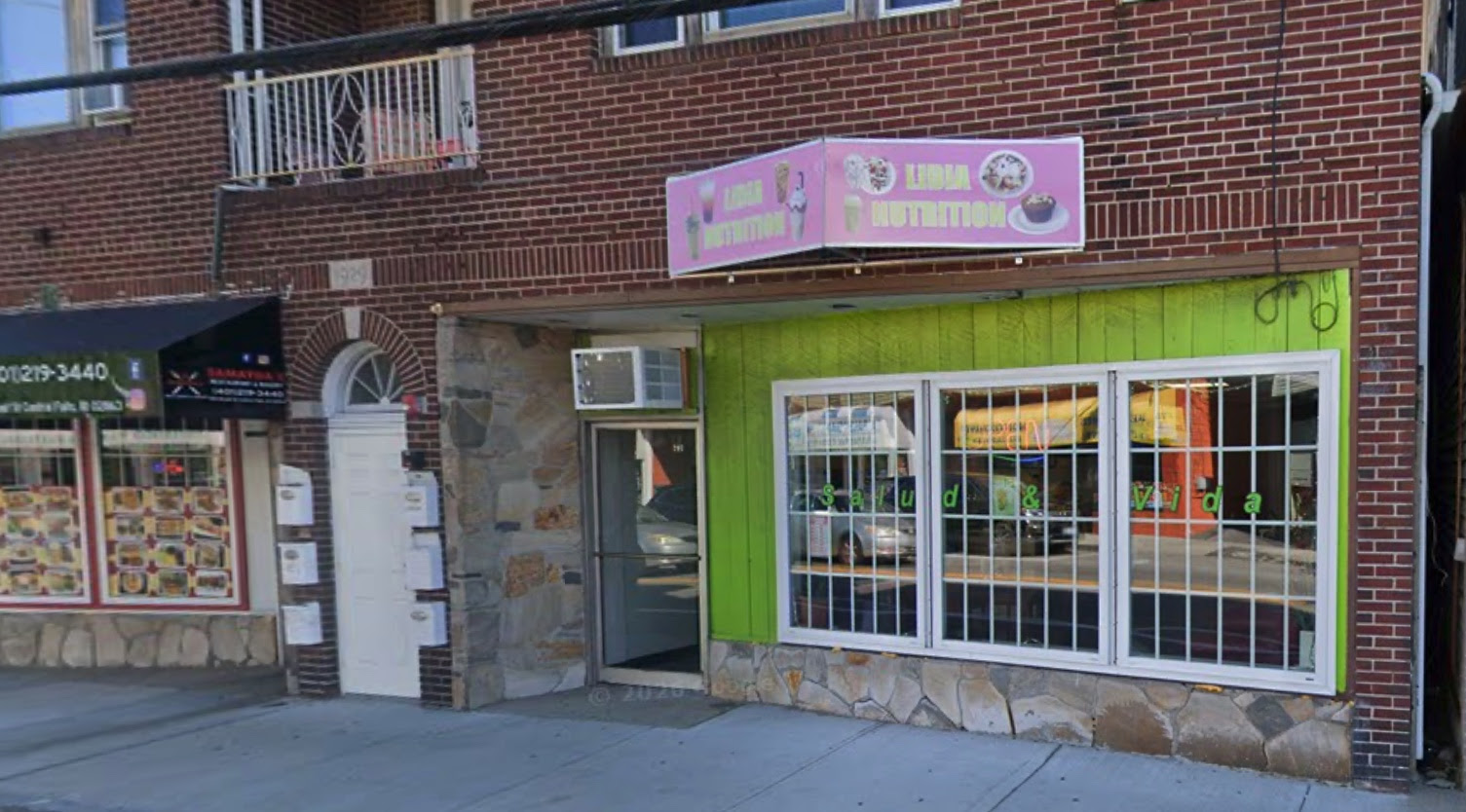
These neighborhoods are vibrant and beautiful, filled with families from dozens of homelands, generations navigating culture and identity, children growing up between languages and worlds. Nearly six out of ten residents are immigrants or children of immigrants. There is life on these streets. There is beauty here.
And there is deep spiritual need.
Rhode Island is one of the least churched states in the country. Many carry “Christian” as a cultural memory or family tradition, but not as a living relationship with Jesus. People are open. Curious. Hungry. But disconnected from vibrant church family.
The harvest is ripe. But urban ministry requires something many solutions lack: time, people, and staying power.
Transformation happens at the speed of relationships. Trust is built slowly. Programs don’t make disciples, people do. Neighborhoods are changed by churches that stay.
It also requires partnership. Communities like ours often cannot financially sustain long-term gospel work on their own. In many ways, inner-city ministry is like global missions. The field is rich spiritually but thin materially. The broader church must hold the rope.
That’s why we’re here.
Some of us know what it feels like to grow up without access to a neighborhood church — to leave your community to find discipleship elsewhere. We are building the kind of church many of us wished we had: rooted, present, accessible. A church that partners with other gospel-preaching congregations. A church that serves first-generation families while intentionally reaching second- and third-generation youth who often feel “in between.” A church that reflects its neighborhood. A church that stays.
This is our invitation. Not simply to attend something — but to join a family on mission.
Because what Elmwood and the West End need most is not more activity, but the living Christ.
The Christ who stepped into our poverty. The Christ who died and rose again. The Christ who still seeks the lost and calls people home.
He is making all things new. And we have the joy of moving with Him.